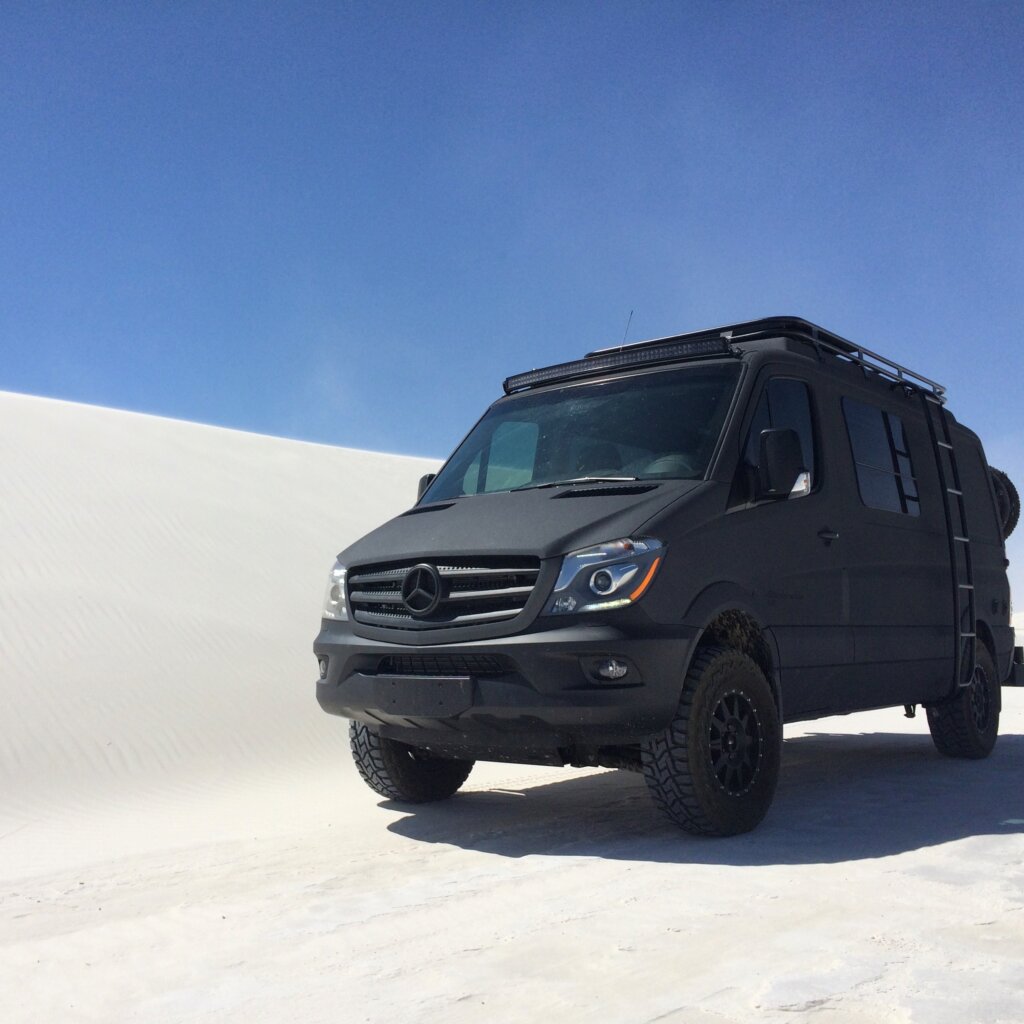


















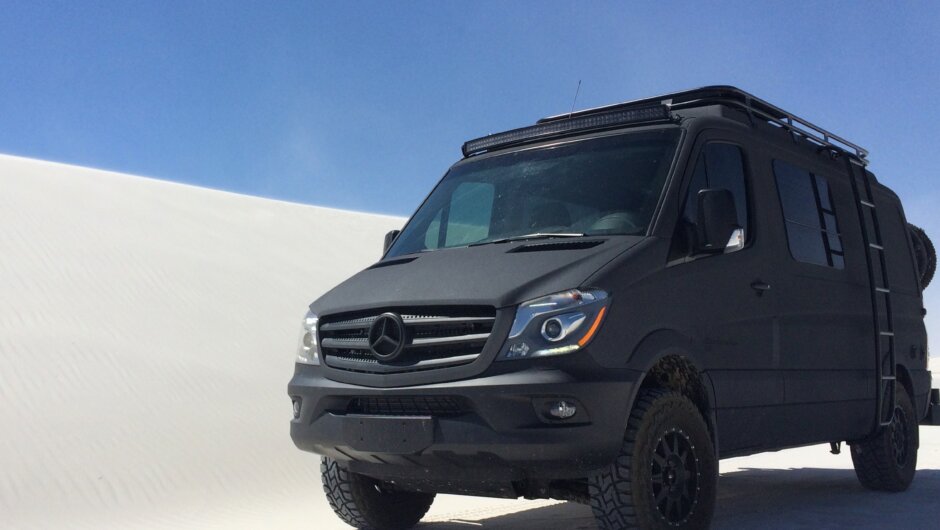
Welcome to Aluminess's Adventure Profile!
Rob Daugherty Is The Overland Gear Guy
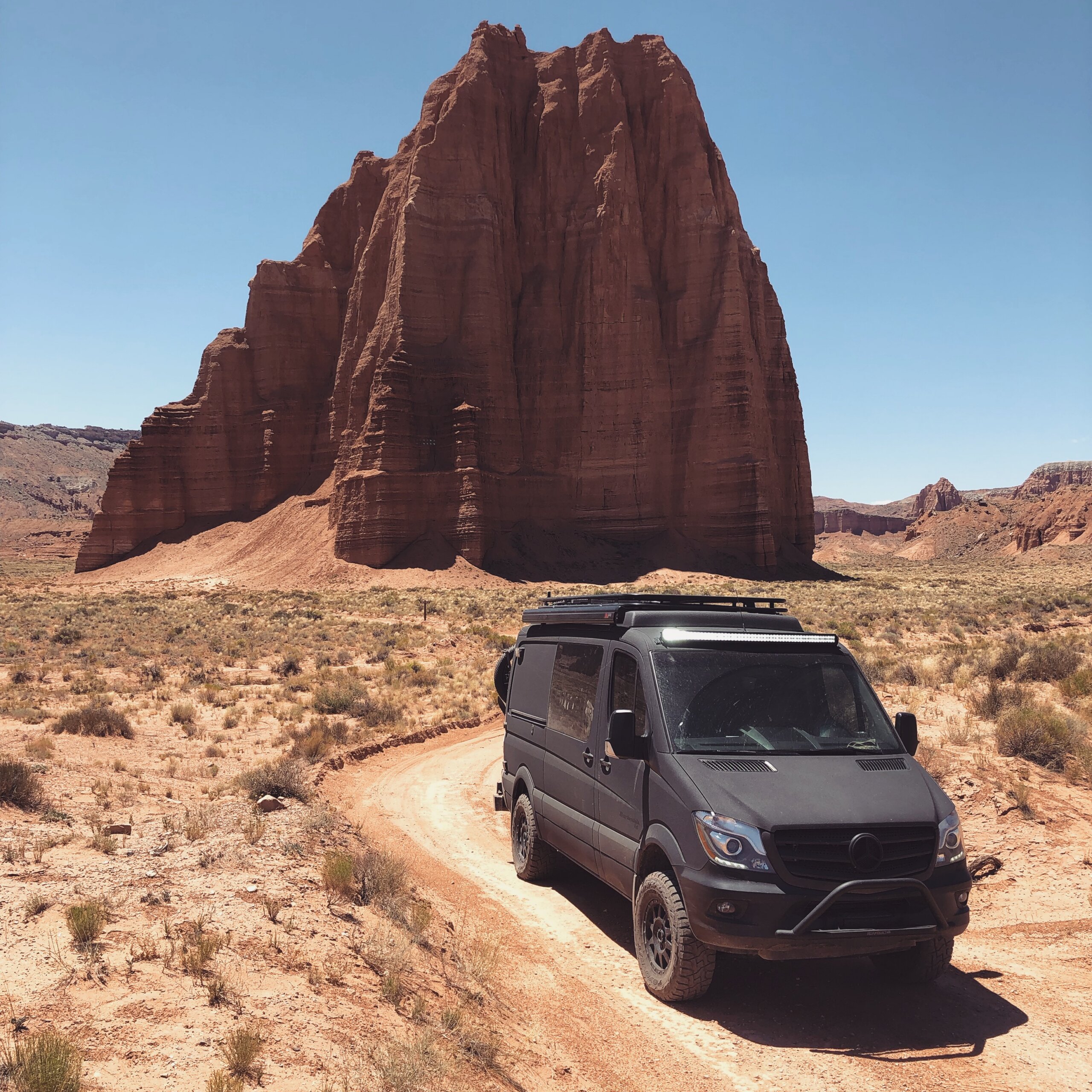
Nick and Micah of Advanturing have been traveling long enough to see their definition of adventure change.
Early on, the goal was often distance. Famous destinations, bucket-list locations, and long stretches of highway helped shape the journey. Over time, however, they began paying more attention to everything happening between those points on the map.
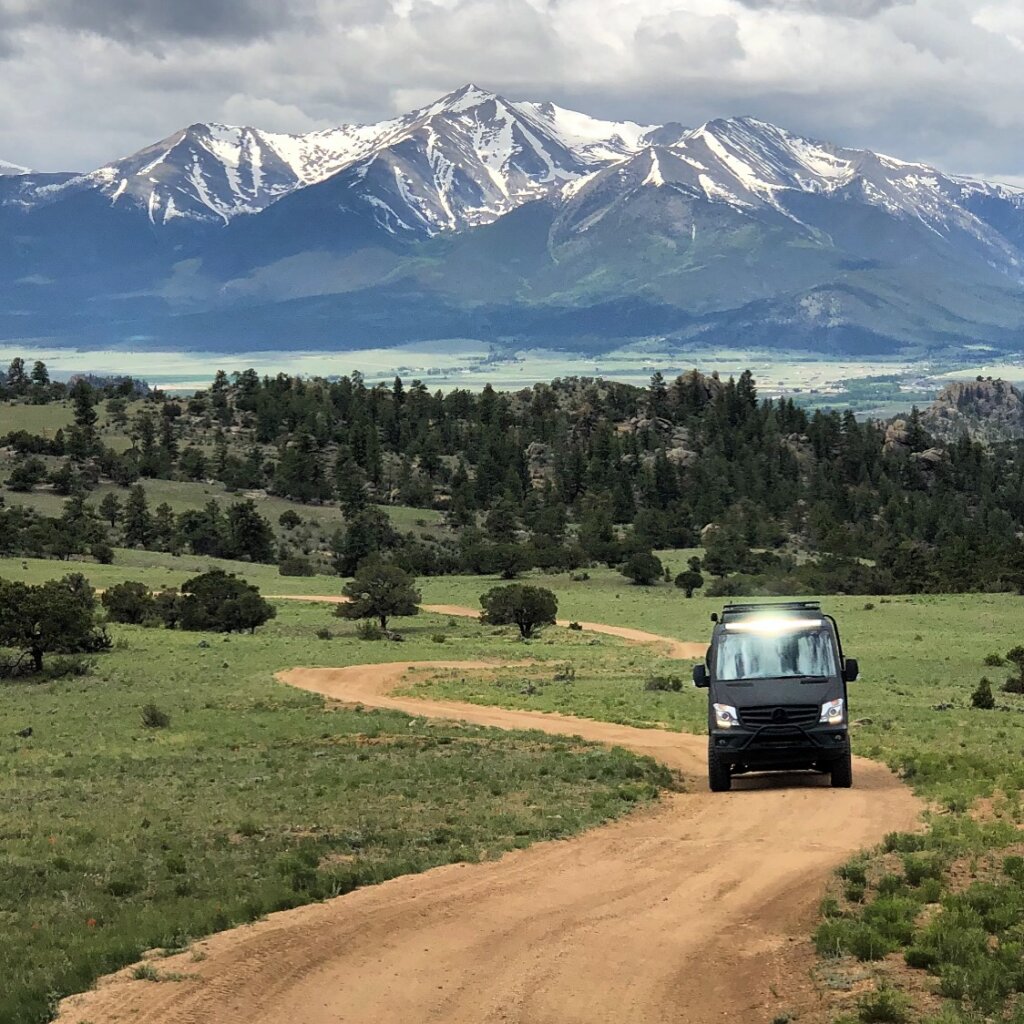
Today, they are far more likely to follow an unfamiliar dirt road, spend several days exploring one mountain range, or stop early because they found a campsite too good to leave behind.
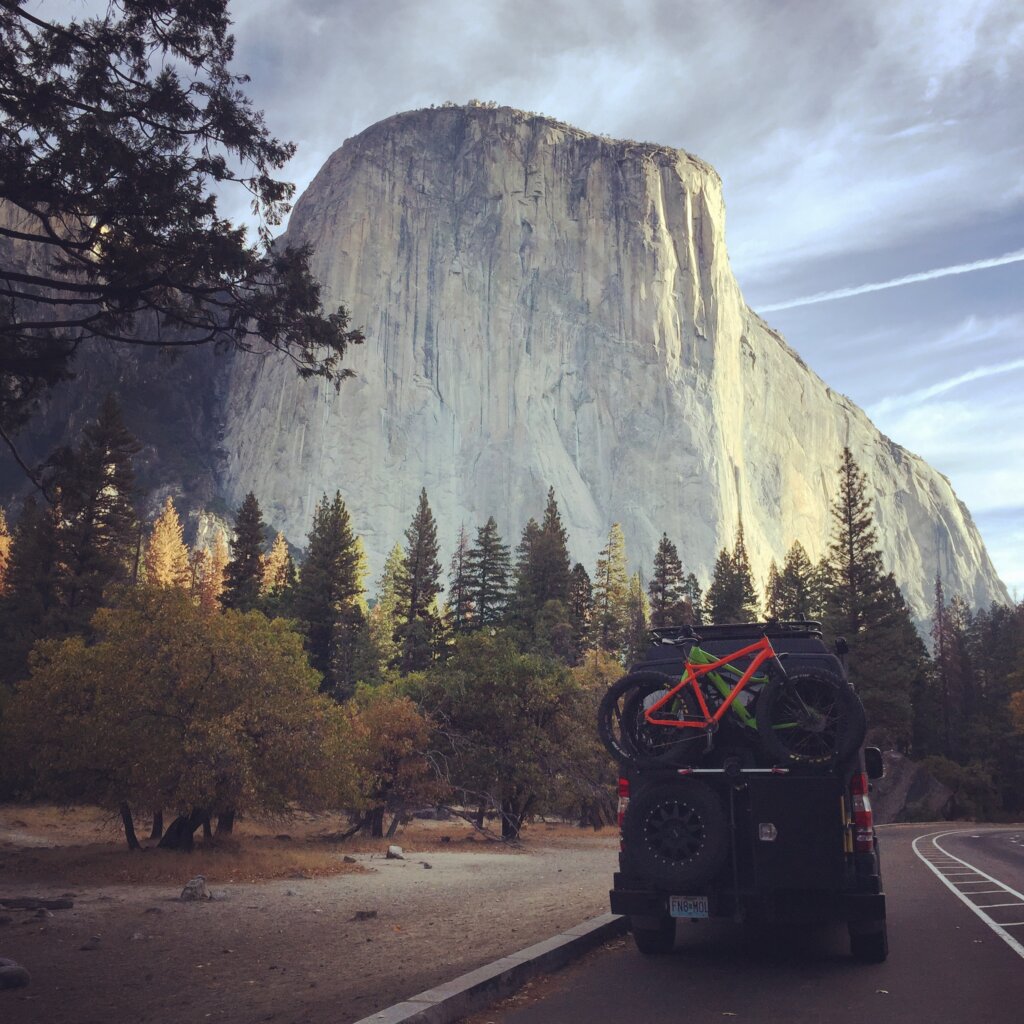
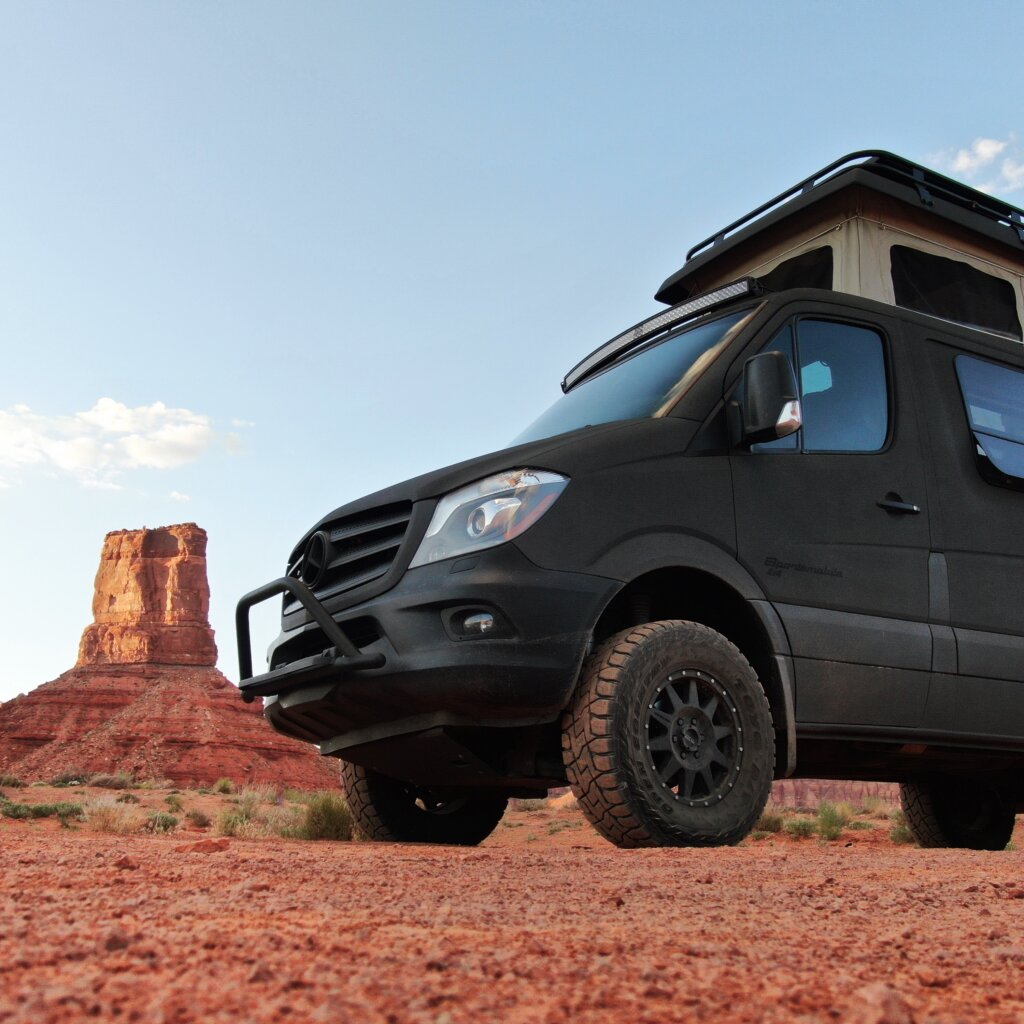
Their van has evolved along with them. Rather than becoming more elaborate, it has become increasingly focused on what actually works after thousands of miles of travel. Reliable equipment, usable storage, lightweight accessories, and an interior designed around spending more time outside have become far more important than adding features simply for appearance.
We caught up with Nick and Micah to talk about how their travels have changed, what years on the road have taught them, and why sometimes seeing less can mean experiencing much more.
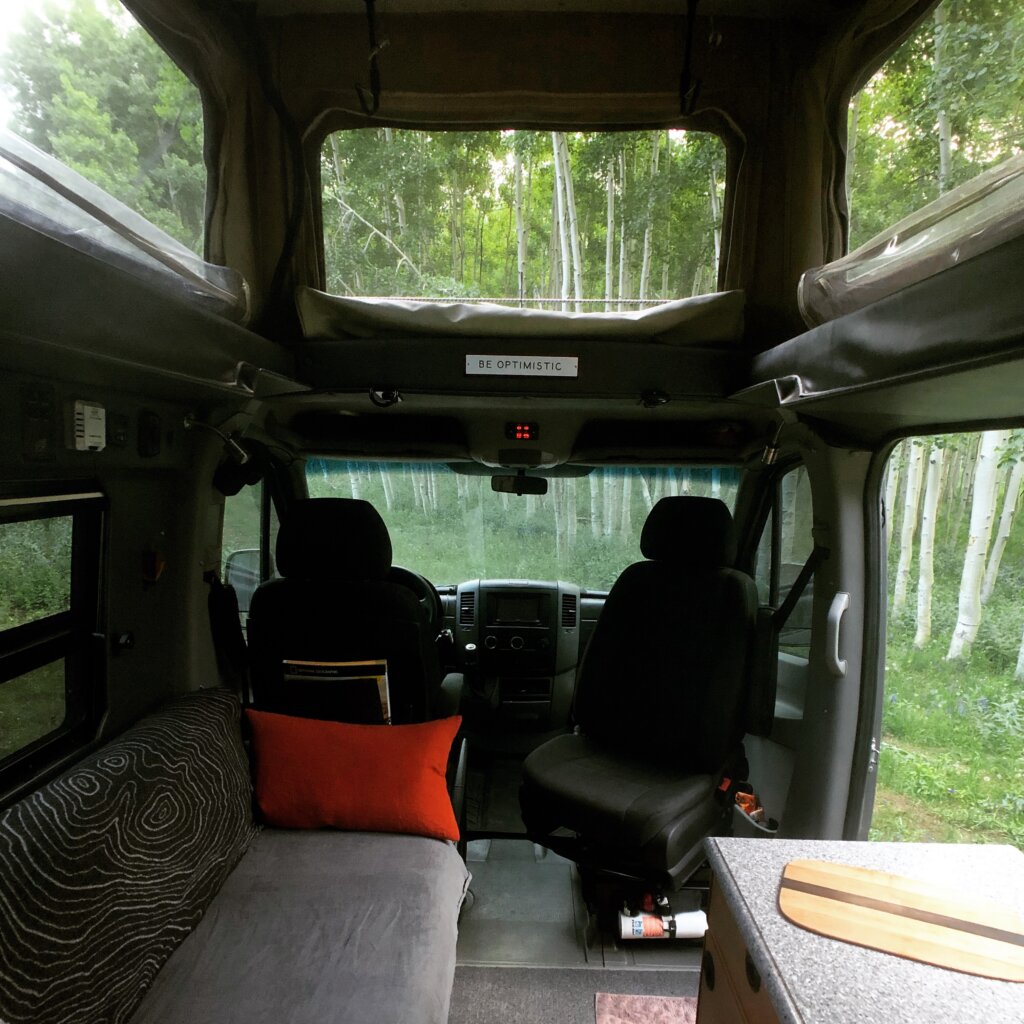
Learning to Travel Slower
Aluminess: Looking back, what has surprised you most about how your travels have evolved?
The biggest surprise has probably been how much we’ve slowed down.
When we first started traveling, our trips were built around famous destinations and bucket-list locations. Today, while we still love those places, they’re often just markers on the map. The real adventure usually happens between or around them.
Some of our favorite memories have come from roads we’d never heard of, camps that weren’t marked on any app, and conversations with locals who suggested, “If you’ve got time, head up that road, you’ll love it.”
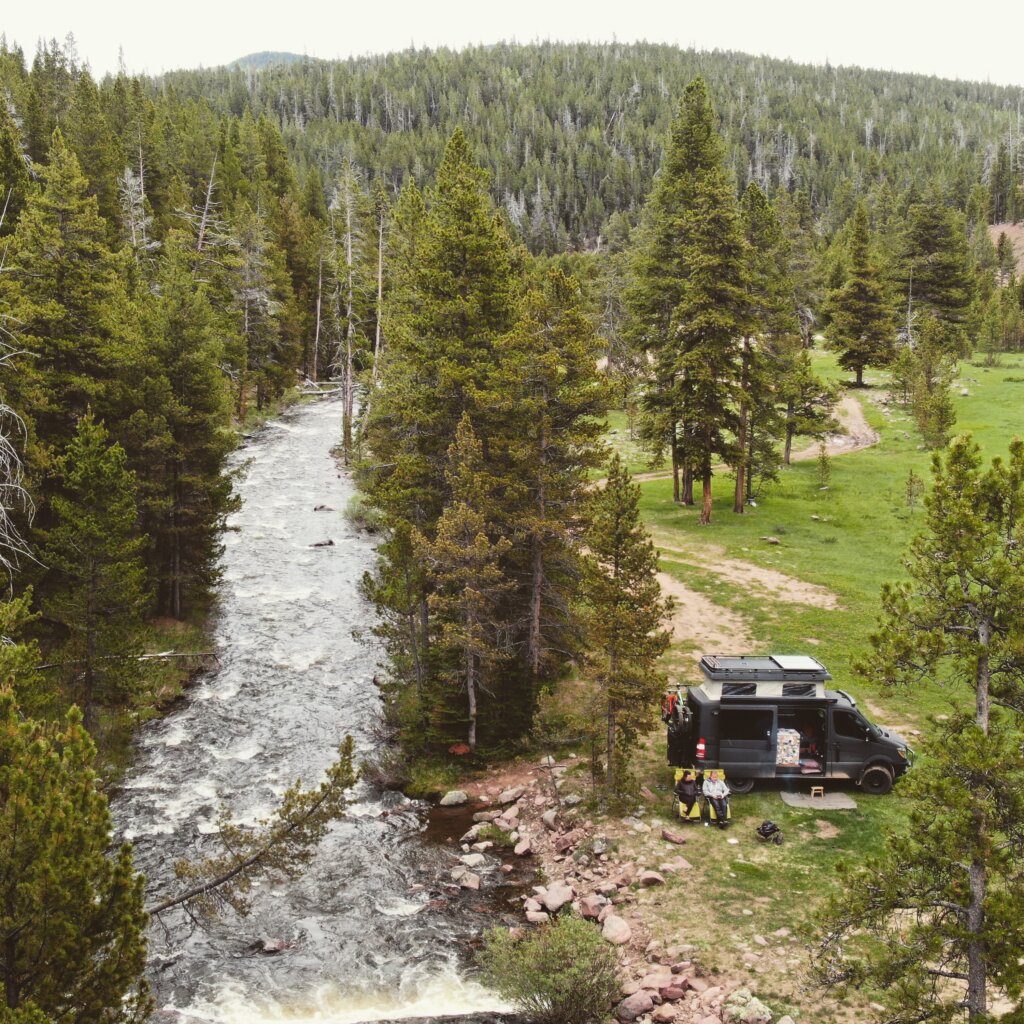
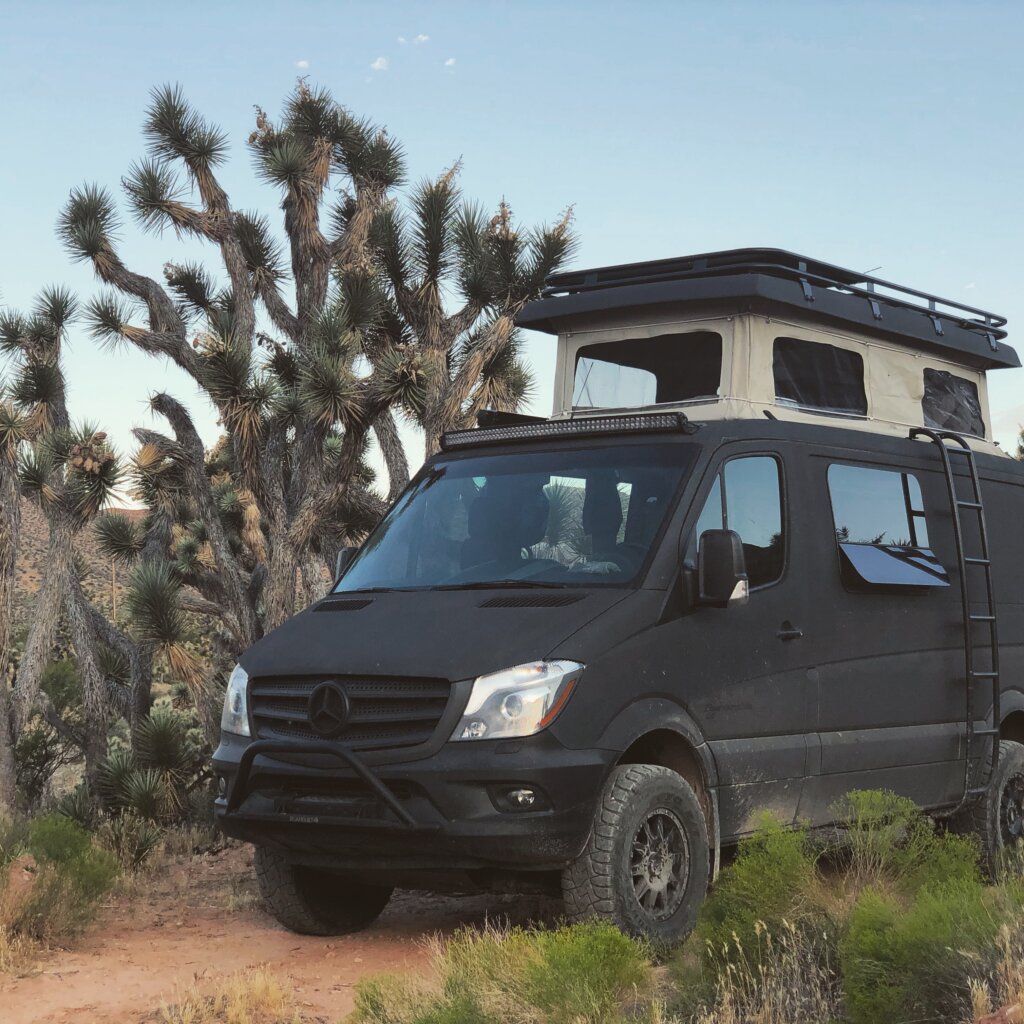
We’ve also discovered how much we value solitude. We don’t mind spending another hour exploring rough one-way trails if it means finding a camp where the only sounds are birds, a nearby creek, or wind through the trees. Those quiet, remote places have become increasingly important to us.
Aluminess: Did van travel become what you originally imagined?
It’s become something quite different.
Initially, we imagined covering huge distances and checking off as many iconic destinations as possible. Experience has taught us that traveling slower is simply more rewarding.
Now we’d much rather spend four days exploring one mountain range than spend four days driving across several states.
The highways have become the necessary connections between the roads we really want to drive.
Over time, we’ve also realized that what many people call “van life” isn’t really what draws us. For us, the van is simply the vehicle that allows us to experience the outdoors. It’s our transport, our bedroom, and our gear storage, but the adventure begins the moment we step outside.
Aluminess: How would you define adventure today?
Adventure used to mean distance. Today it means freedom.
Freedom to change plans because the weather has shifted. Freedom to follow a side road simply because it looks interesting. Freedom to stay another night because you’ve stumbled across somewhere special.
We’ve learned that some of the best experiences happen when you stop chasing destinations and simply become curious about what’s around the next corner.
These days, we actively search for quieter places rather than famous ones. If finding the perfect camp means another hour exploring rough trails or driving to the end of a dead-end road, we’ll happily do it.
We’ve also become much better at appreciating a place instead of simply photographing it. We like arriving early enough to enjoy camp rather than just sleeping there before moving on.
A Van Refined by Experience
Aluminess: How has the van itself changed as you’ve traveled more?
Every modification has been driven by experience rather than appearance.
After years of traveling thousands of miles across North America, you quickly learn what genuinely earns its place.
The van has gradually become simpler rather than more complicated. Every addition now serves a purpose, whether that means improving reliability, capability, or simply making life on the road easier.
Our goal was never to build a show van. It was to build a dependable basecamp that quietly gets us into extraordinary places.
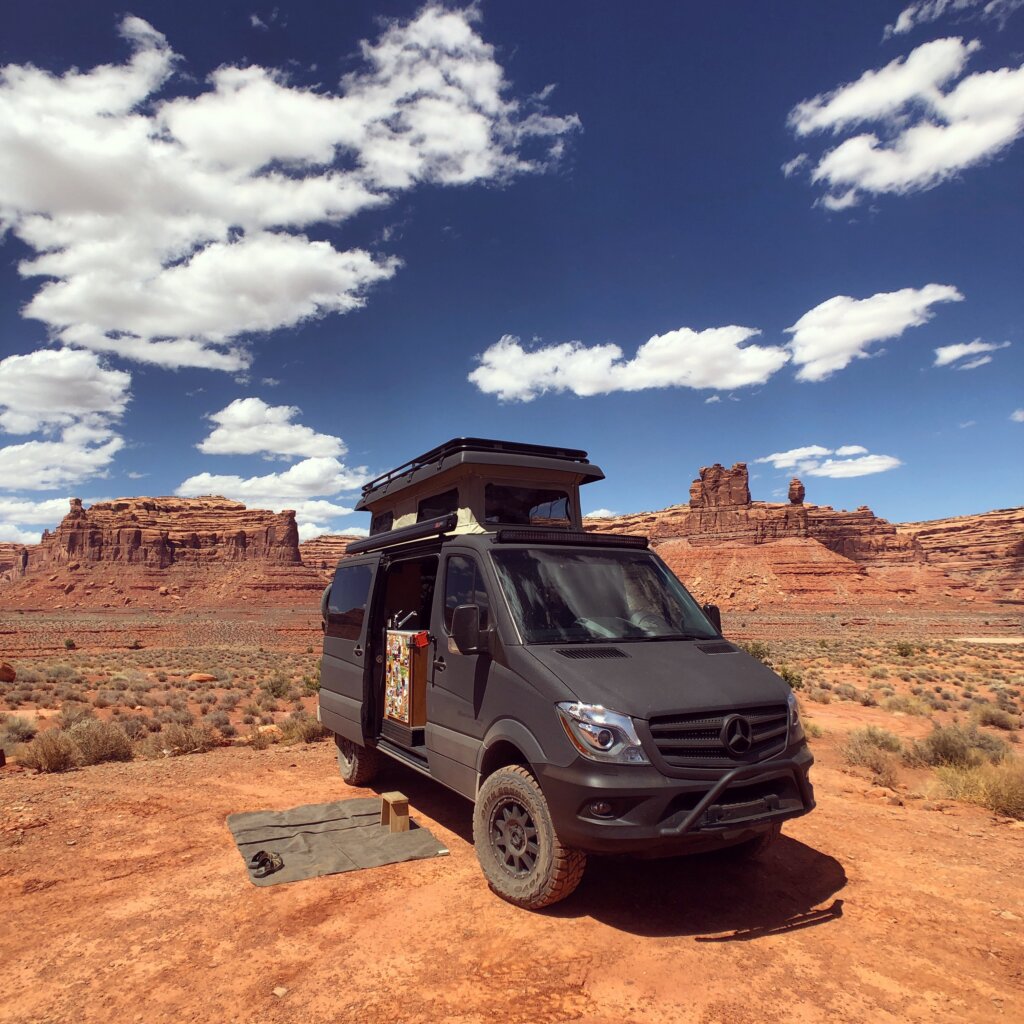
Field Van gave us an incredibly capable platform, and most of the changes we’ve made since then have simply refined it around how we travel.
We’ve never been interested in adding accessories just because they look good. We would rather have equipment that is functional, dependable, and capable of surviving years of rough trails than something that looks pretty but breaks on its first real adventure.
The biggest lesson has probably been to invest in quality from the beginning. Buying reliable products once is almost always cheaper, and certainly less frustrating, than replacing or repairing cheaper alternatives several times.
When you’re a long way from a workshop, reliability isn’t just convenient. It becomes part of your risk management.
A Basecamp for the Outdoors
Aluminess: You’ve intentionally designed the van around spending time outside. Why has that remained so important?
Because the outdoors is why we’re traveling.
We’ve never wanted to create an inward-facing metal box.
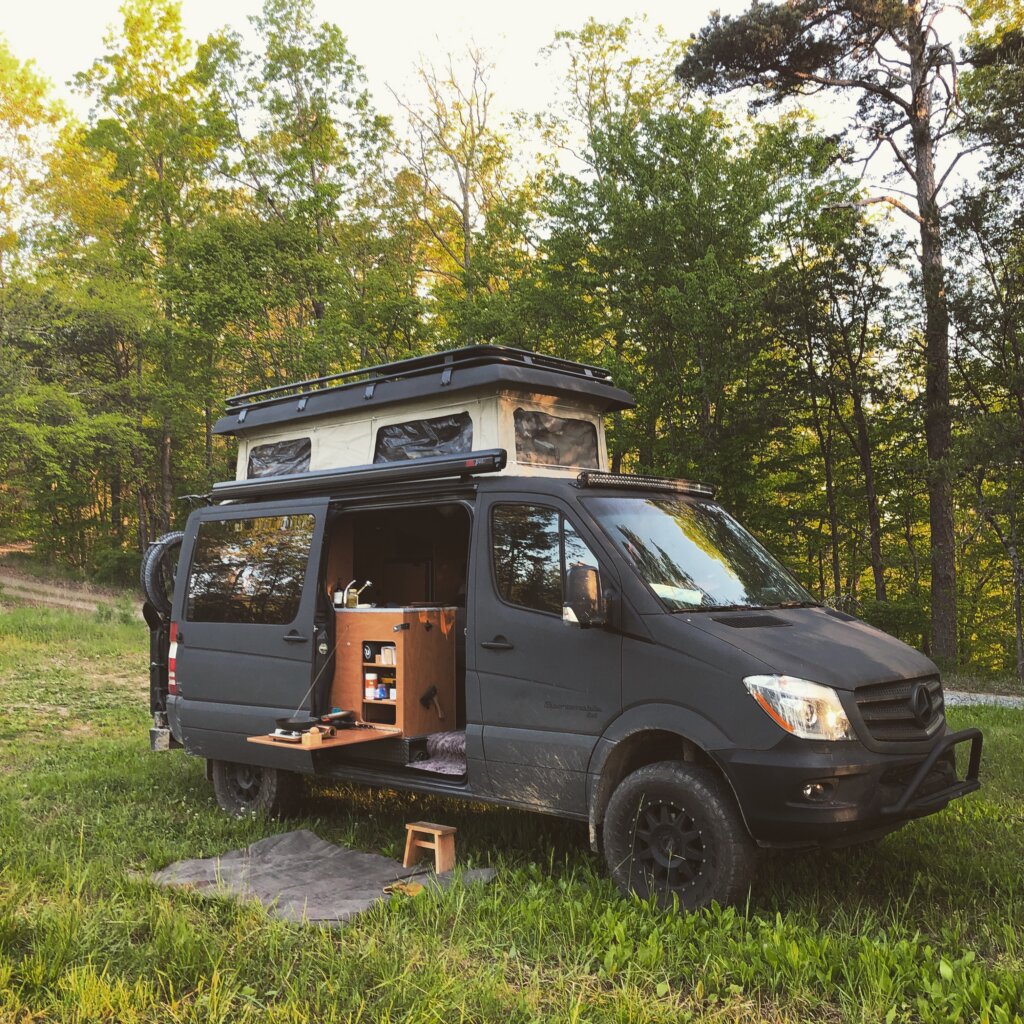
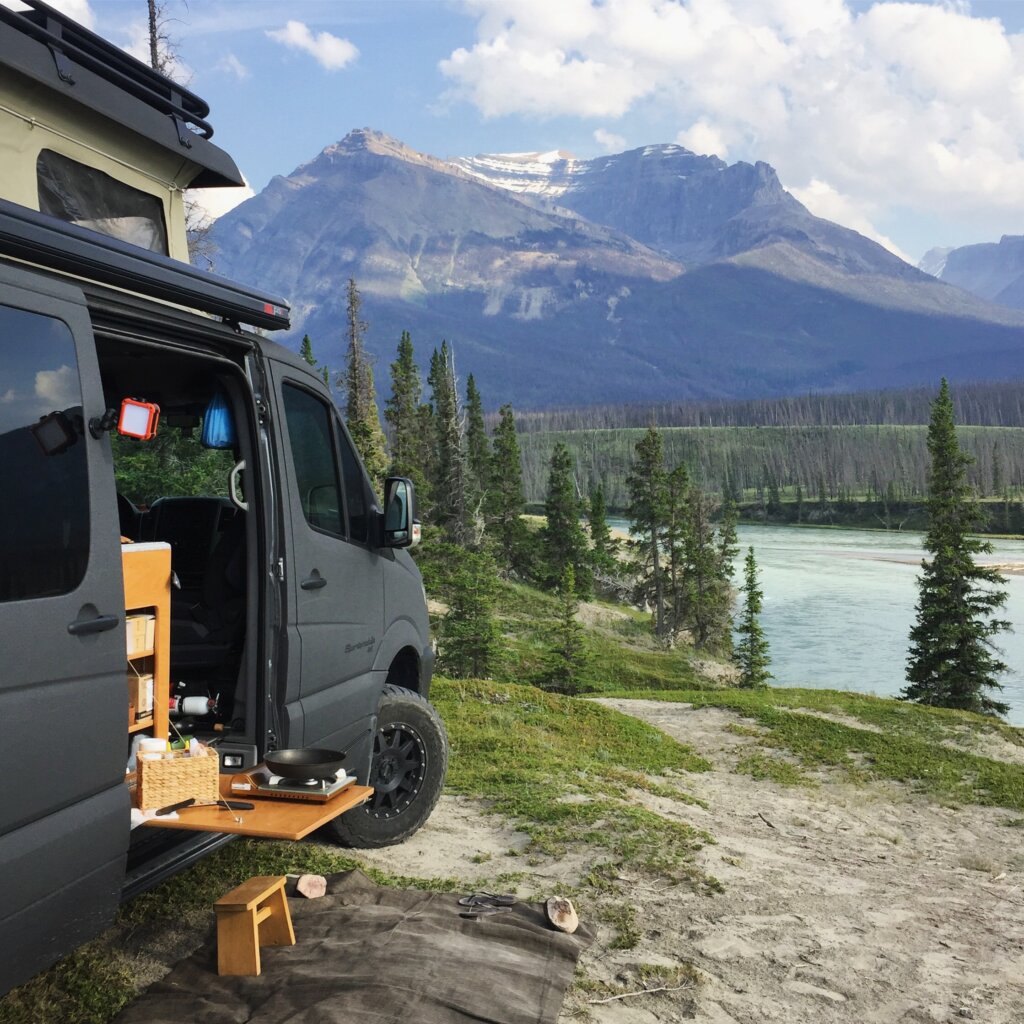
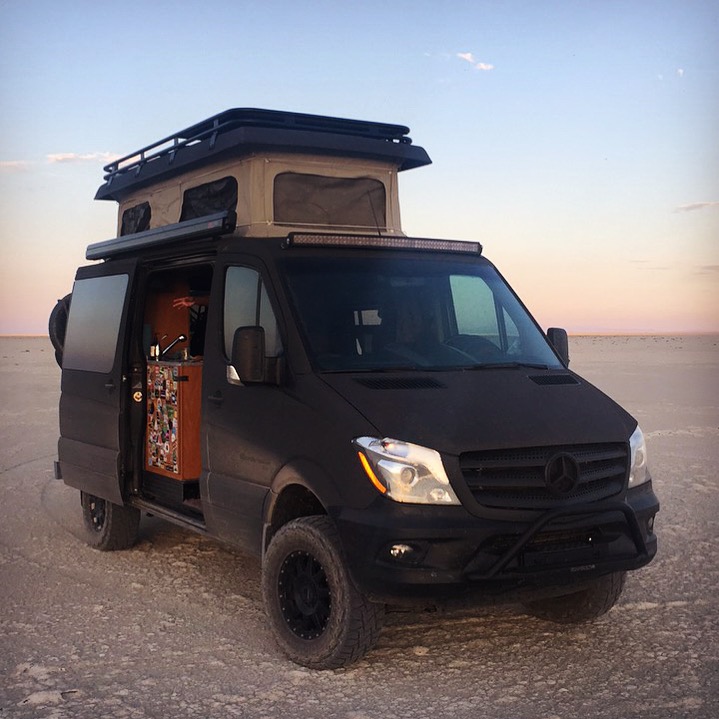
The van isn’t our destination. It’s simply what gets us there. One example is that we deliberately chose not to install an indoor stovetop. Instead, we carry a portable Japanese camp stove that does its best work outside.
The entire layout supports spending as much time outdoors as possible. We cook outside, watch the sunset, sit around the campfire, explore trails, paddleboard, photograph wildlife, read, and simply enjoy being in nature.
The van carries our gear, gives us a comfortable place to sleep, and gets us into incredible places.
But if we’re spending all day inside it, we’ve probably chosen the wrong campsite.
Aluminess: What does a perfect day on the road look like now?
It usually starts with coffee outside while the campsite slowly wakes up.
One thing we still love is unfolding a paper map over breakfast. Digital mapping has revolutionized overlanding, and tools like onX Offroad have become indispensable for understanding public land and finding legal access. But there’s still something special about sitting together with a paper map, tracing rivers, mountain ranges, and forgotten roads while dreaming about where the day might lead.
The day itself rarely has a strict itinerary. We’ll explore trails, hike, paddleboard, or simply see where a network of forest roads takes us.
If we find a spectacular camp midway through the day, we’ll often stop there rather than wondering if something better exists another hundred miles away.
Setting up camp has become one of our favorite rituals. Collecting firewood, choosing where the chairs go, making dinner outside, and watching the evening light change are all part of it.
Even packing up in the morning is something we no longer rush. Taking time to appreciate the place that became home for a night has become an important part of how we travel.
Why Aluminess Earned Its Place
Aluminess: After so many years of travel, what do you look for in equipment?
The farther you travel from towns and cell coverage, the more reliability matters.
Every component on the vehicle has a job to do, and when something fails, it can quickly change your plans.
We look for products that can handle years of corrugations, vibration, dust, mud, snow, and extreme heat without complaint. They also need to be simple to maintain and, if the unexpected happens, practical to repair in the field.
The best gear is the gear you rarely think about. It quietly does its job day after day, giving you the confidence to take the road less traveled and the freedom to focus on the adventure rather than the vehicle.
Aluminess: What originally led you to Aluminess?
Space, durability, and weight.
When you’re traveling for weeks or months at a time with gear for hiking, paddling, photography, recovery, and camping, every bit of space matters.
Just as importantly, you don’t want heavy accessories compromising the vehicle’s handling, and you don’t want to wonder whether your equipment will withstand years of rough roads.
Recovery gear, hoses, tools, and other bulky equipment don’t belong inside the living space if they don’t have to.
Aluminess gave us a practical, lightweight, and durable way to move that equipment outside the van while keeping it organized, secure, and immediately accessible.
Aluminess: Which Aluminess products have become the most important to you?
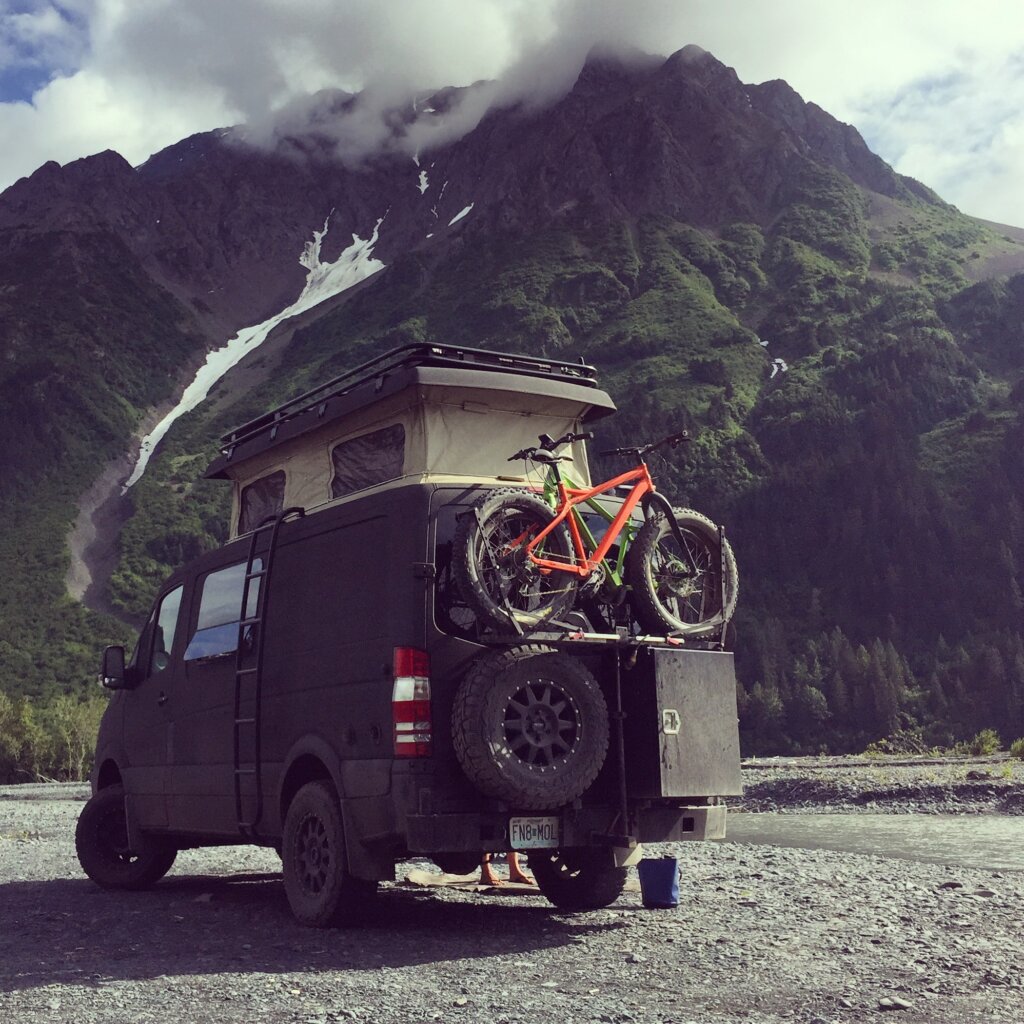
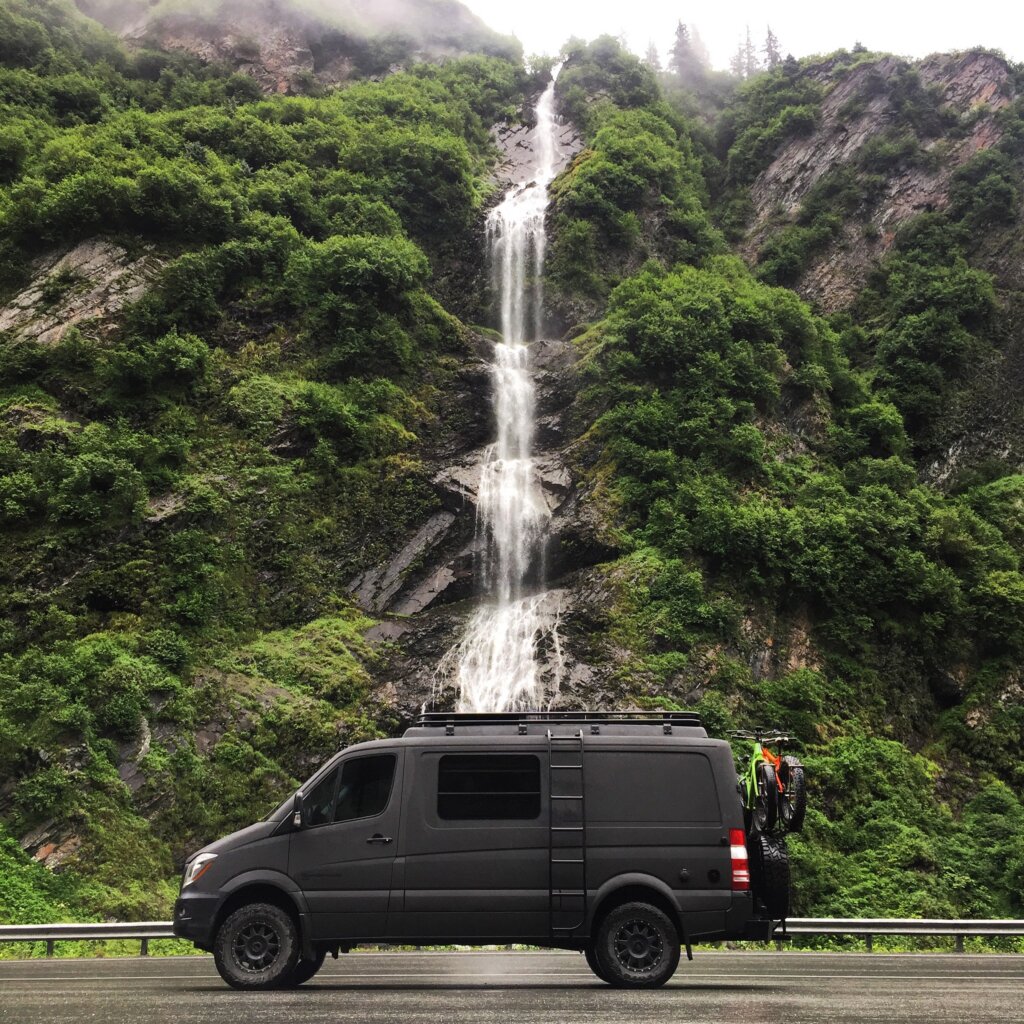
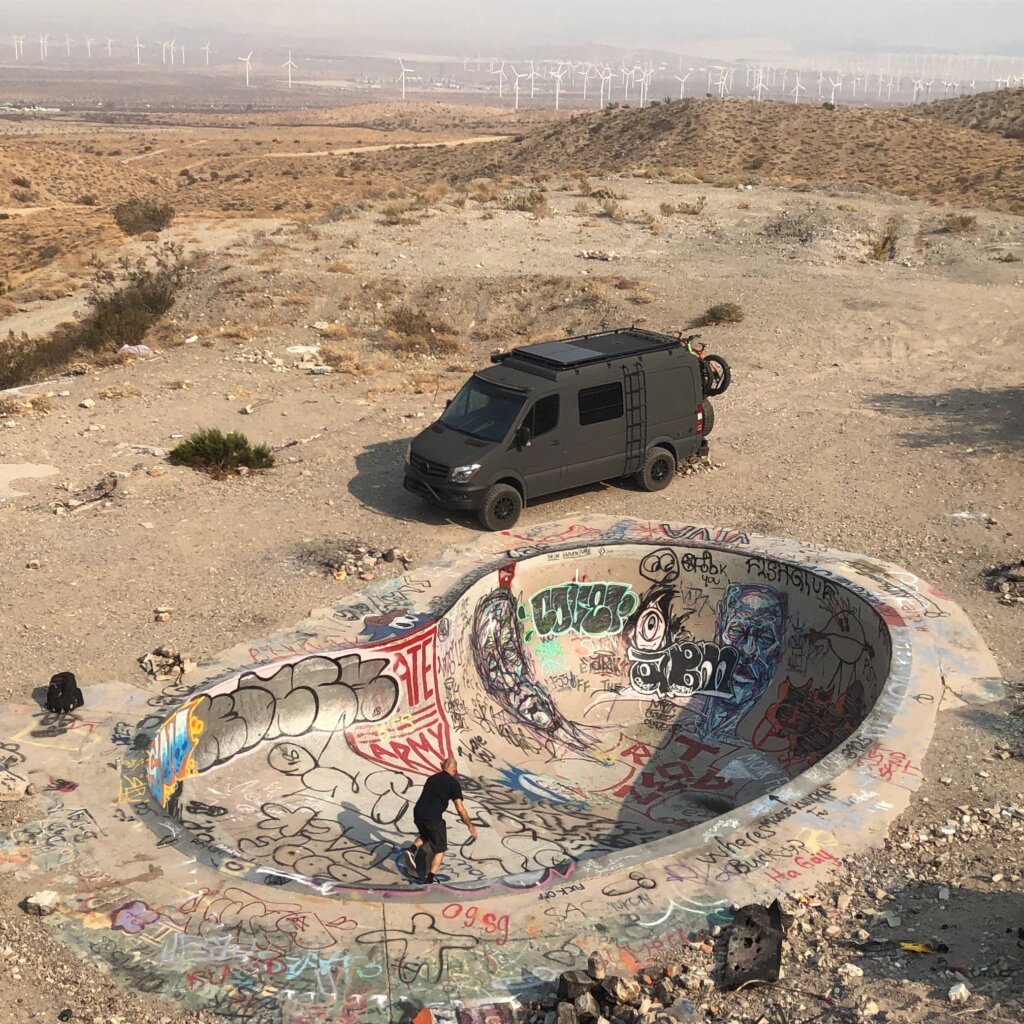
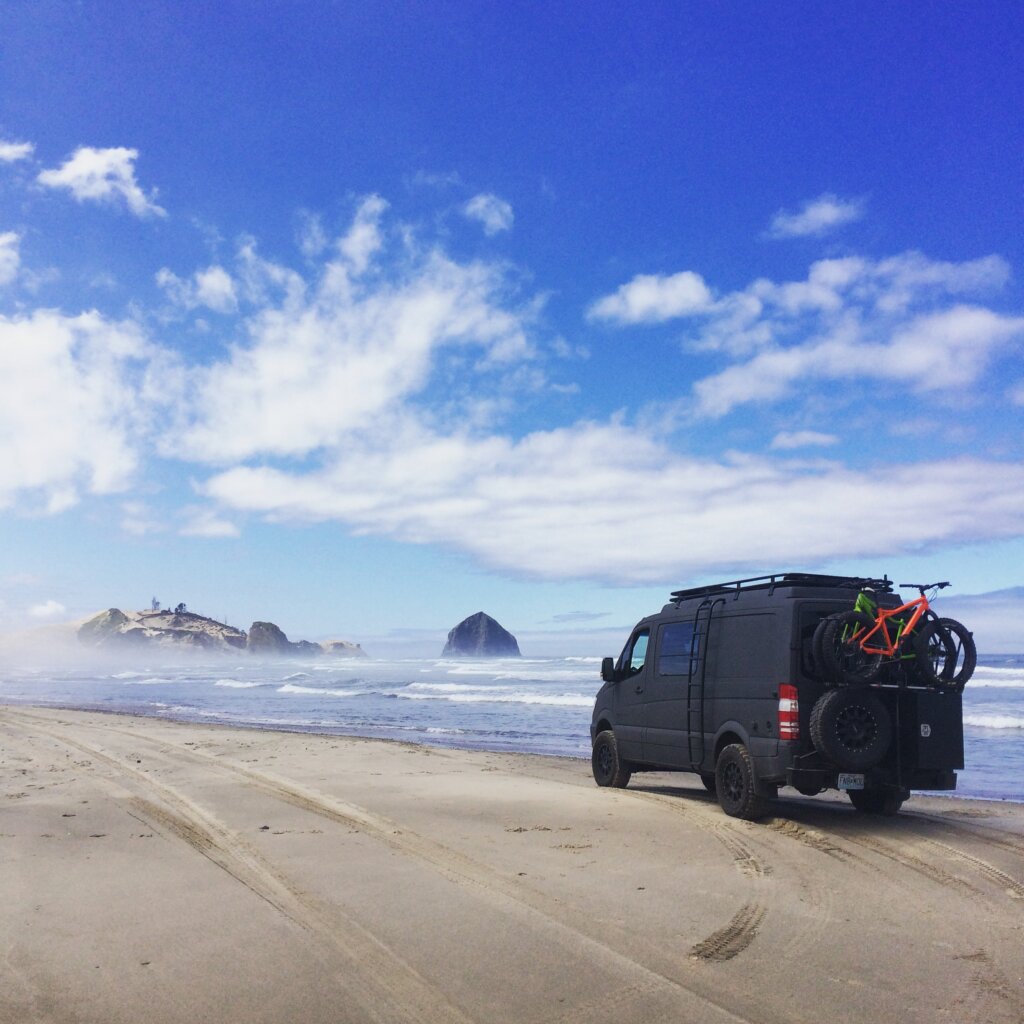
Without question, the rear storage boxes and roof rack.
They’re not necessarily the flashiest accessories on the van, but they’re the ones we appreciate every single day.
They keep recovery equipment, air hoses, tools, and other dirty or bulky gear outside where it belongs, freeing valuable interior space for living rather than storage.
When you’re traveling for extended periods, that separation makes an enormous difference.
They’ve proven themselves over thousands of miles of corrugations, rough trails, and all kinds of weather. They’re built to take the same punishment as the rest of the van, and that’s exactly what you want from expedition equipment.
Packing and breaking camp is also quicker because we’re no longer constantly moving gear around or unloading half the van to reach one item. Recovery equipment is always accessible while the inside remains comfortable and uncluttered.
Like all good expedition equipment, they quietly fade into the background.
That’s probably the highest compliment we can give.
Lessons From the Road
Aluminess: What has years of travel taught you that you didn’t necessarily understand when you started?
Preparation creates freedom.
Reliable equipment, good maps, and flexible plans give you the confidence to explore places that once seemed intimidating.
We’ve also learned that weather deserves enormous respect. Some of our favorite camps have only happened because rain, wildfire, or snow forced us to change plans.
Sometimes Plan B becomes the highlight of the trip.
But the biggest lesson has been learning to slow down.
For years, we measured success by how many places we had visited.
Now we measure it by how well we experienced them.
Aluminess: What advice would you give someone preparing for their first serious adventure van trip?
Don’t wait until the van is perfect.
Build something capable. Invest in quality gear where reliability matters.
Then go and use it.
Experience on the trails will teach you far more than YouTube, forums, or social media ever can.
The Roads Still Ahead
Aluminess: After everything you’ve already seen, what is still on the list?
There’s still an incredible amount of North America we’d love to explore.
We’ve learned never to overlook what’s already nearby because some of our most memorable adventures have happened just a few hours from places we had visited before.
Every state has a side that’s not in the brochure.
Discovering those hidden roads, quiet camps, and overlooked corners is still one of our greatest joys.
We suspect that’s something we’ll never tire of.
Quick Hits
Favorite Destination: The American West
Favorite Campsite: A remote overlook on the North Rim of the Grand Canyon after a long 4WD trail.
Most Memorable Sunrise: A quiet camp above 10,000 feet in Nevada’s mountains, coffee in hand as the first light reached the peaks.
Coffee or Campfire? Campfire… followed closely by coffee.
One Piece of Gear You Wouldn’t Travel Without: A comfortable camp chair. It may be one of the most overlooked pieces of overlanding gear, but it’s where you’ll end up every evening. Buy one that’s supportive, built to last, and worth sinking into after a day on the trails.
One Aluminess Product You Recommend to Every Builder: The rear storage boxes. They transform how you organize a vehicle.